Dance (Lens) Mini 2026: Saturday
IN FOCUS: Virtual Bodies, & Dream Futures
1/7
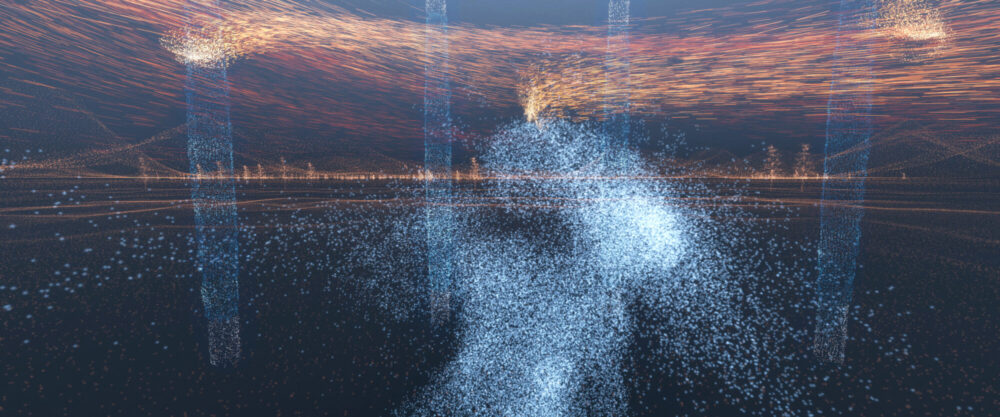
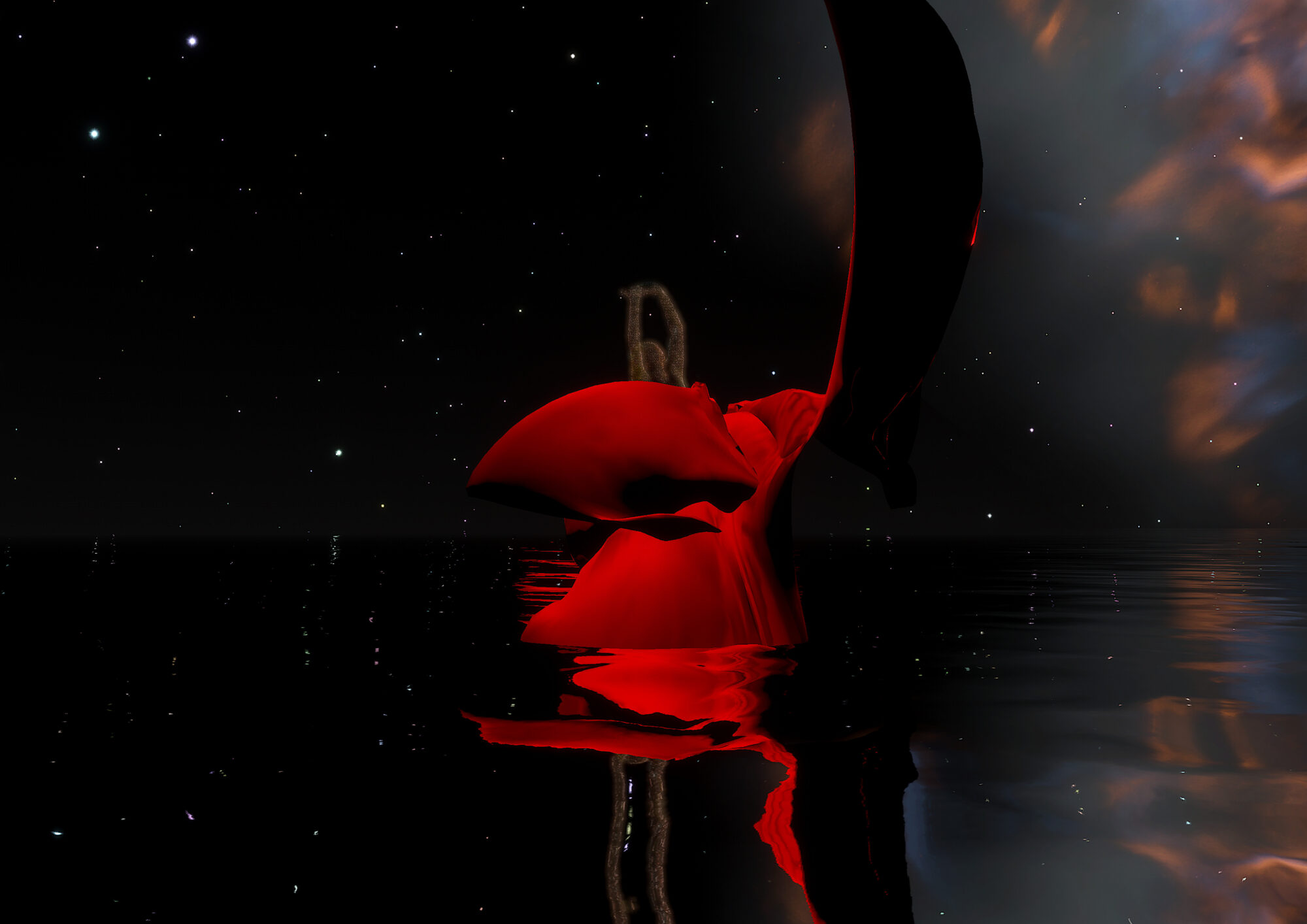
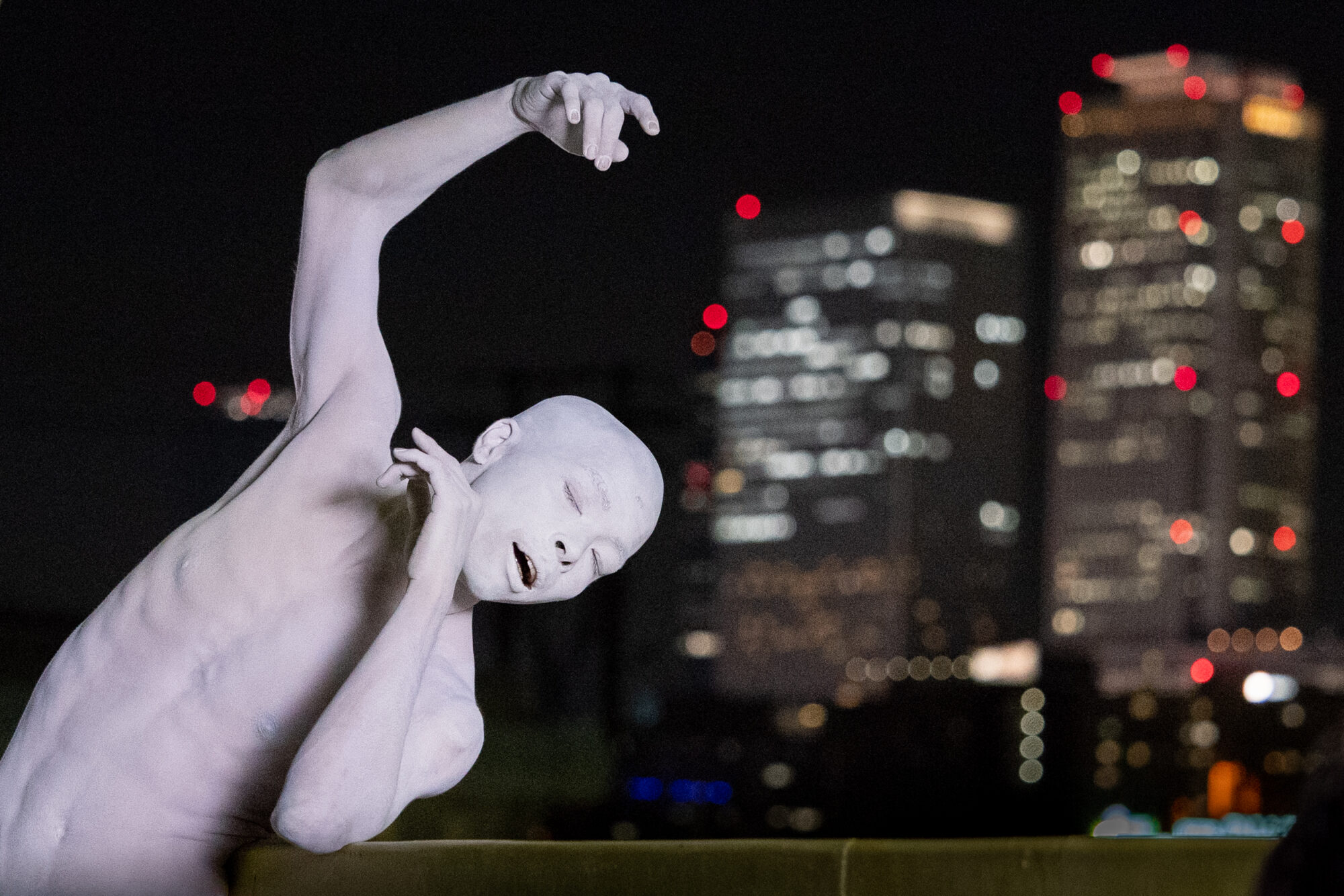
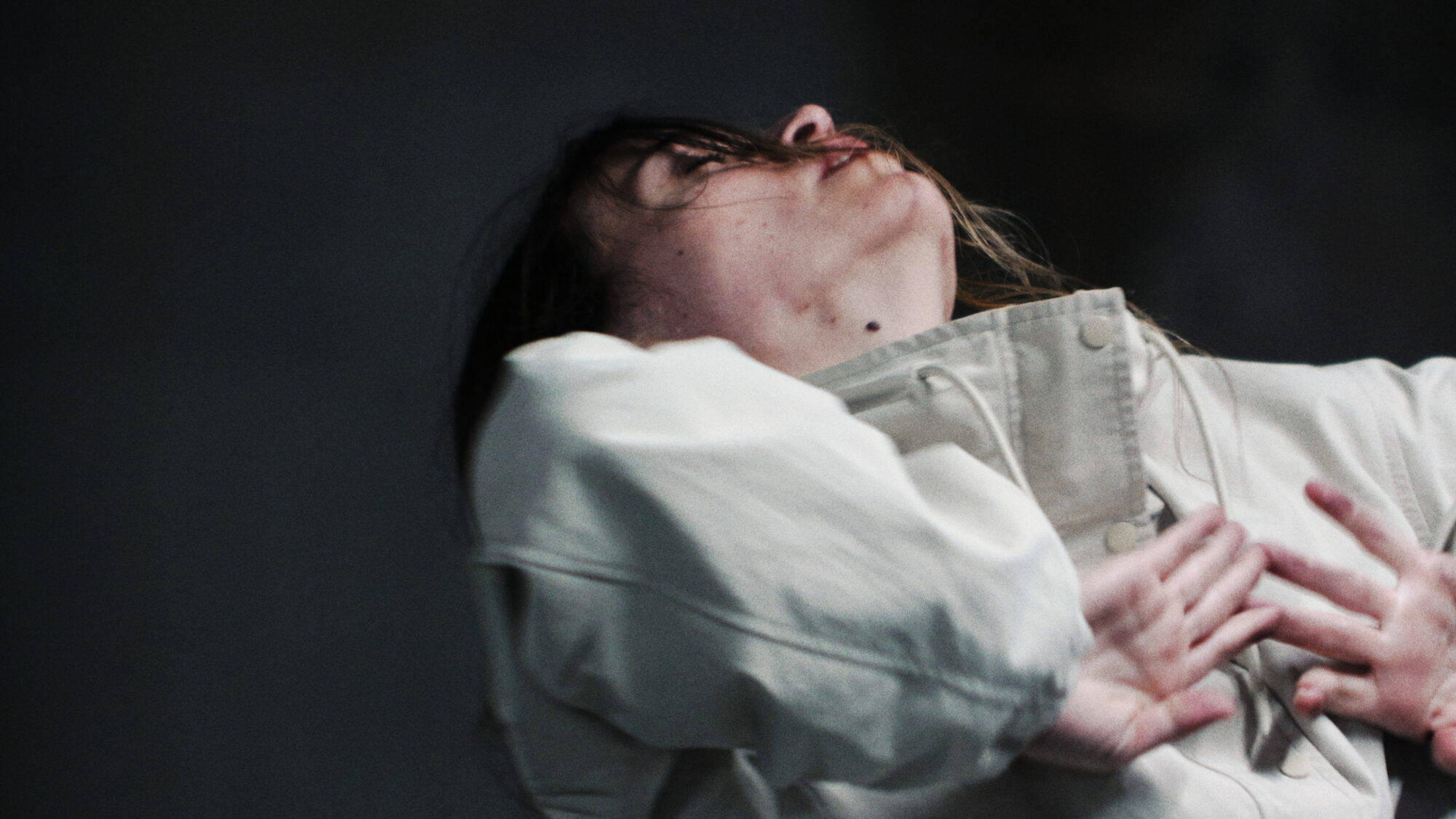
Falling Worlds by Kim Vincs.
Presented as a part of Dance (Lens) Mini 2026
IN FOCUS: Virtual Bodies
6pm, Saturday 5 December | Sylvia Staehli Theatre
In Conversation: Kim Vincs with guests
IN FOCUS: Virtual Bodies will examine essential components of VR design—such as physical immersion, embodied presence, interactivity, and physical audience engagement—and explore how choreographers are adopting and/or repurposing these elements to establish innovative choreographic practices and forms.
Co-presented by Dancehouse and the Centre for Transformative Media Technologies, Swinburne University of Technology
Dream Futures: Screendance Now
Dream Futures: Screendance Now is a program of iconic screendance from across the Tasman over recent years.
Co-curated with Tempo Dance Festival and Dance (Lens), this selection of eight short works celebrates the choreography of the body and the camera frame.
Artists include: Amber McCartney, Charles Koroneho, Daniel Riley, Harrison Ritchie-Jones, Kelly Nash & Atamira Dance Company, Sue Healey, Threading Frames, and Yuiko Masukawa.
Tempo Dance Festival is Aotearoa New Zealand’s premier annual Festival held in Tā amaki Makaurau/ Auckland. Dancehouse’s Dance (Lens) Mini offers a boutique program of screendance talks and works ahead of the Dance (Lens) Festival in winter 2027.
Dream Futures: Screendance Now is co-curated and co-presented by Tempo Dance Festival and Dance (Lens)
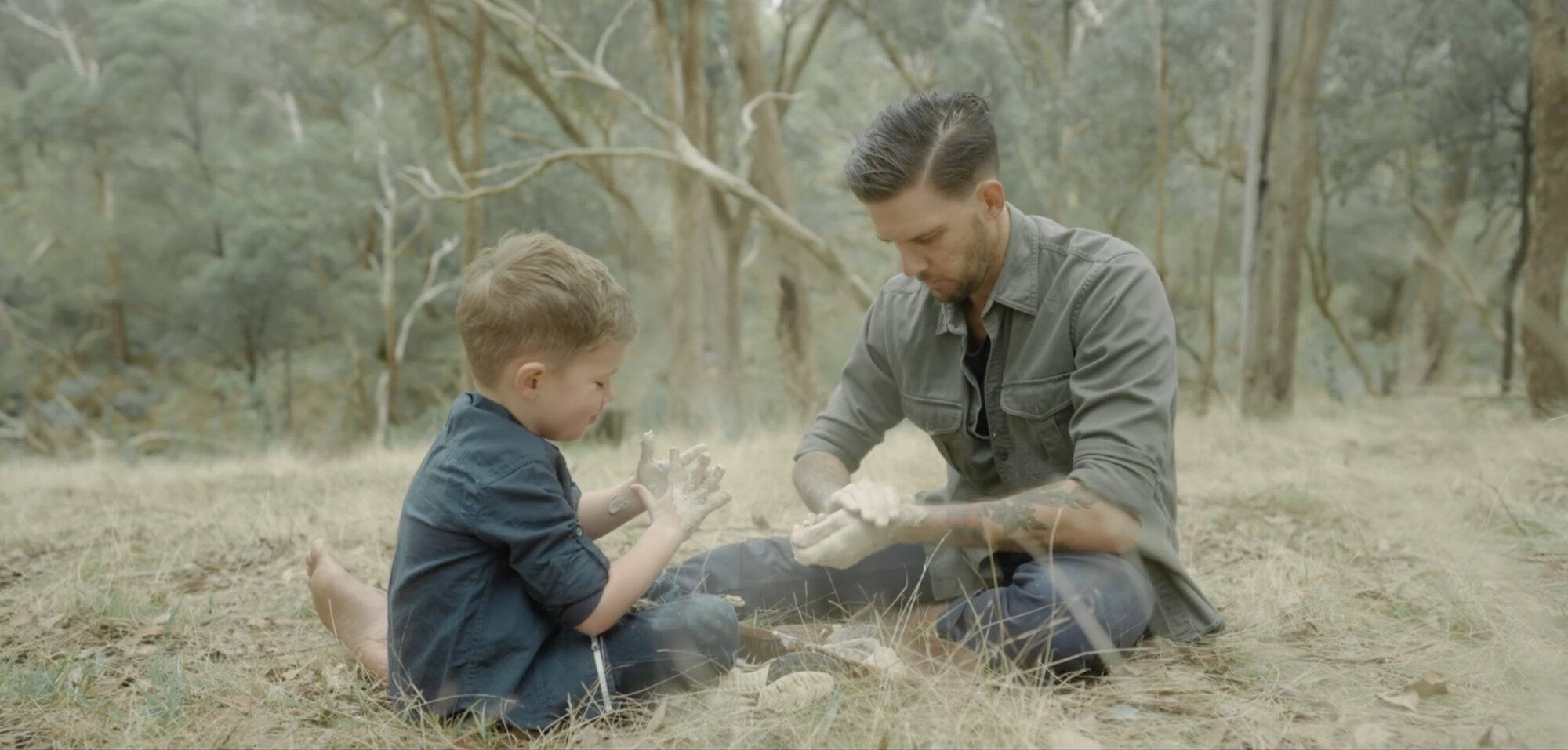
Mulunma – Inside within (2021) by Daniel Riley
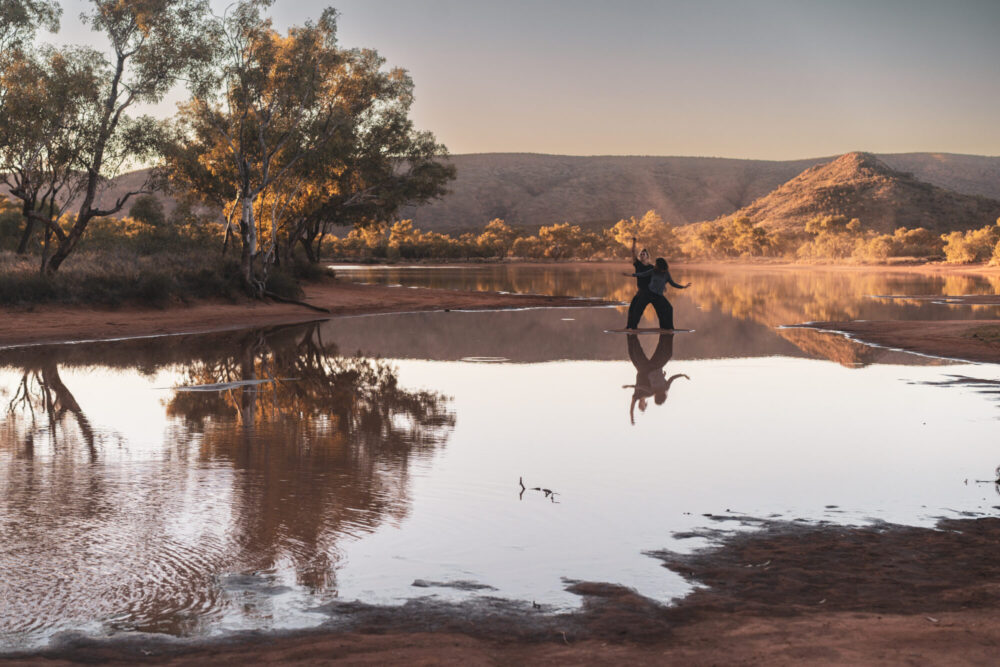
mulunma meaning ‘inside, within’ (Wiradjuri language) explores the relationship between the Western Archive and a First Nations archive, each built on differing ideologies. One is structured on numbers and cataloguing, the other, on memory and an infinite knowledge that sits within the landscape and objects.
We as First Peoples embody knowledge systems that hold over 75,000 years of information, we carry Ancestral knowledge in our bones, and the landscape maintains our living and perpetual archive.
This work is an observation of a body moving within the boundaries of the western archival system, interrogating the space and investigating our cultural histories and how we, as First Peoples, can continue to reclaim and connect to heritage. The passing on of knowledge, stories and histories is inherent in our culture.
Lead Artist, Choreographer & Director Daniel Riley (Wiradjuri)
Performers Daniel Riley (Wiradjuri) and Archie Riley (Wiradjuri)
Composer James Howard (Jaadwa)
Filmmaker, Director of Photography, Editor Cass Mortimer-Eipper
Gaffer Jared Fish
Gaffer’s Assistant Ryan Fish
Commissioned by Kimberly Moulton and RISING Melbourne. Originally presented by RISING, Museums Victoria and YIRRAMBOI, May 6-June 6 2021, dusk through to dawn, on the front external facade of the Melbourne Museum Carlton VIC, situated on the lands of the Wurundjeri Woi Wurrung. Presented at the Tarrawarra Biennial, ‘We are Eagles’ (2025), curated by Kimberley Moulton as well as part of Australian Dance Theatre’s ‘Outside Within’ (2022). The performers would like to thank Chrissy and Billie.
—
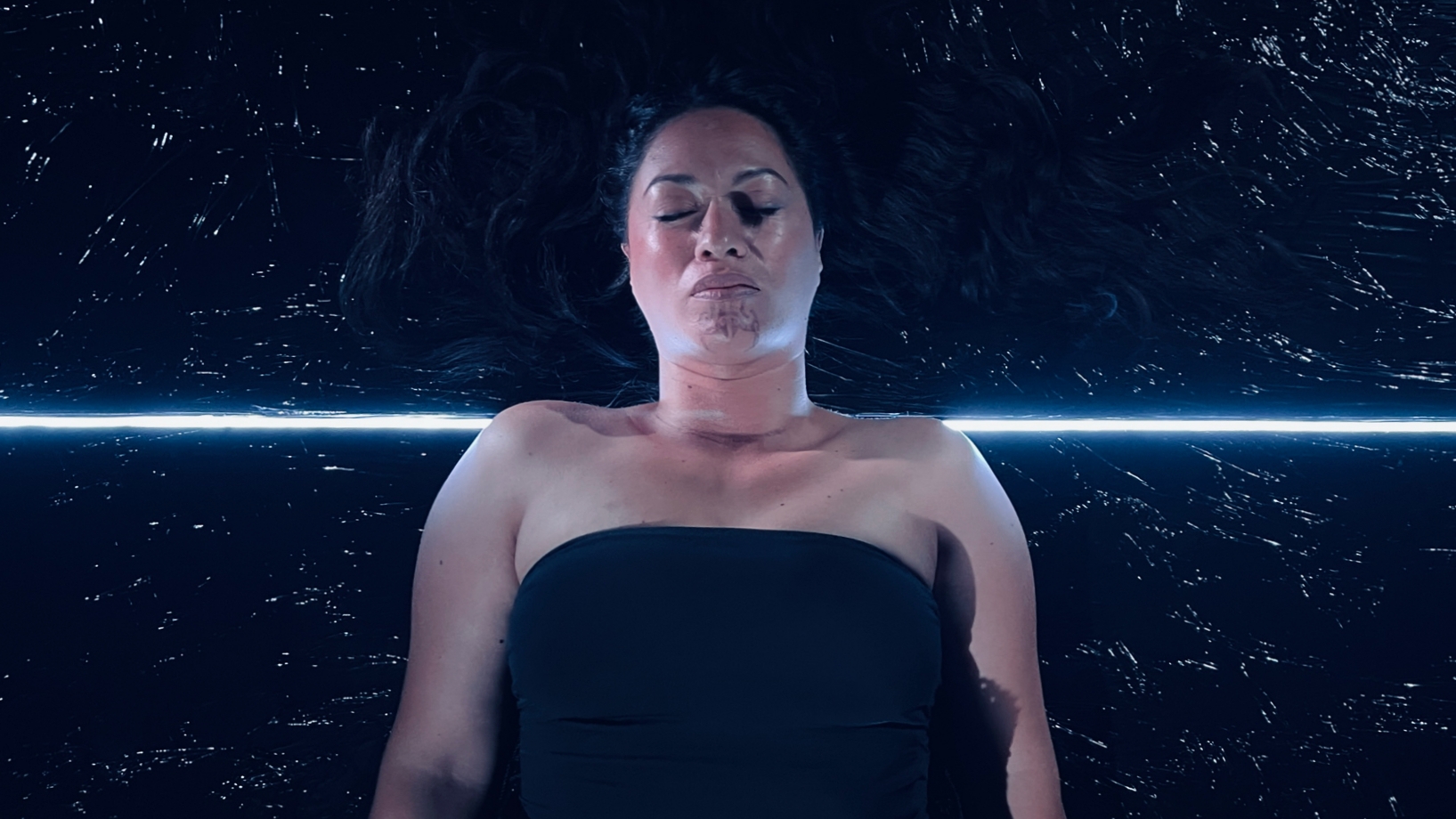
Ko Te Ākau (2026) by Charles Koroneho
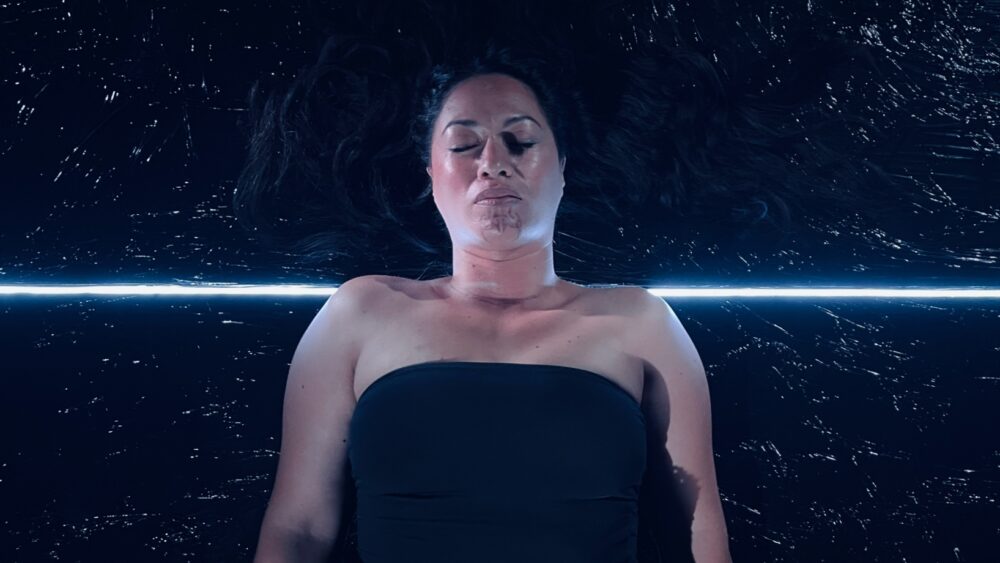
Ko Te Ākau captures a live-digital performance installation created for group and solo performances within a dispersal field of light, sound design and video projection. The project is best served by ‘mātiro whakamua’ with a gaze firmly fixed on the horizon. This hybrid performance work is aesthetically futuristic and abstract, exploring the formation of new spaces, digital artefacts and indigenous futurism.
Charles Koroneho is an independent artist working in the fields of performance and culture. He is the founder, director and lead creative of Te Toki Haruru, a conceptual platform created to explore Indigenous creativity, intercultural collaboration and the intersection between dance, theatre, visual arts and design.
Ko Te Ākau was commissioned by the Nelson Arts Festival, in collaboration with Te Toki Haruru, Filament Eleven 11 and Refinery ArtSpace. Supported by Creative New Zealand.
—
Nobuyoshi Asai (2018) by Sue Healey
A screendance portrait of Nobuyoshi Asai as part of Sue Healey’s On View: Japan.
On View is a dance portraiture project that pursues the relationship between dance and spectatorship through video. The three portraits seen in Dance (Lens) 2021, Kenta Kojiri, Nobuyoshi Asai and Ema Yuasa, were filmed in Japan in 2018 and produced by Aichi Prefectural Art Theater. In these short films, each artist interacts with a location framed by one of the five Chinese elements of wood, fire, earth, metal and water. These films are part of a series of 27 portraits of artists from Hong Kong, Japan and Australia created by Sue Healey and made into short films, video installation and live performance.
Filmmaker & Choreographer Sue Healey
Director of Photographer Judd Overton
Cinematographer Kei Fushiki
Composer Darrin Verhagen and Justin Ashworth
Foley Matthew Tankard
Dramaturg Shona Erskine
Dance Artists Nobuyoshi Asai
Producer Eri Karatsu
On View: Japan is supported by The Arts and Culture Initiative 2020, Australia Council for the Arts, the Australian Government’s arts funding and advisory body, and Create NSW.
—
3 (2023) by Yuiko Masukawa
Three dancers, one continuous shot in public space.
Director, Choreographer, Editor Yuiko Masukawa
Dancers Louie Wisby, Benjamin Hurley and Geoffrey Watson
Music Alisdair Macindoe
Camera Takeshi Kondo
Cinematographer Sam McGilp
Commissioned by The Australian Ballet and Telstra
—
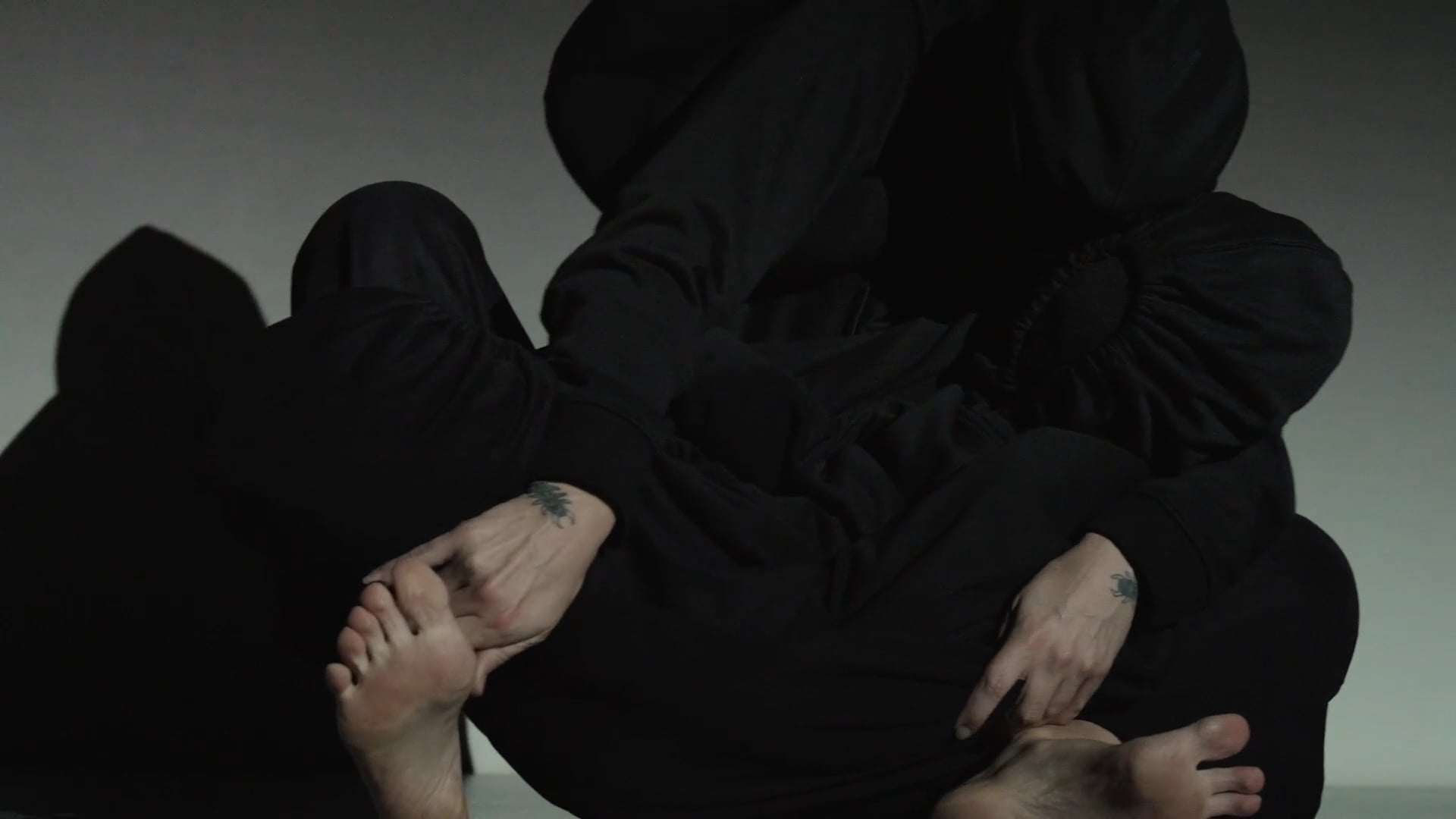
untitled specimen one (2026) by Amber McCartney
Untitled Specimen One is a surreal journey into bodily confusion, alienation, and adaptation. Amber McCartney performs alongside sculptural mutations, half-bodied clones crafted from tape, and stuffed casts of her torso. These parasitic doubles create a visual illusion where the border between real and false dissolves, an undulation of four to six heads and one heartbeat. With sound by Alisdair Macindoe and Robert Downie, lighting by Matthew Adey and cinematography by Cobie Orger, the work interrogates identity, visibility, and transformation beneath a surreal lens.
Choreography & Performer Amber McCartney
Sound Alisdair Macindoe & Robbie Downie
Cinematography Cobie Orger
Lighting Design Matt Adey
Costume Amber McCartney
Costume Consultation Aleisa Jelbart
This project has been assisted by the Australian Government through Creative Australia, its principal arts investment and advisory body.
—
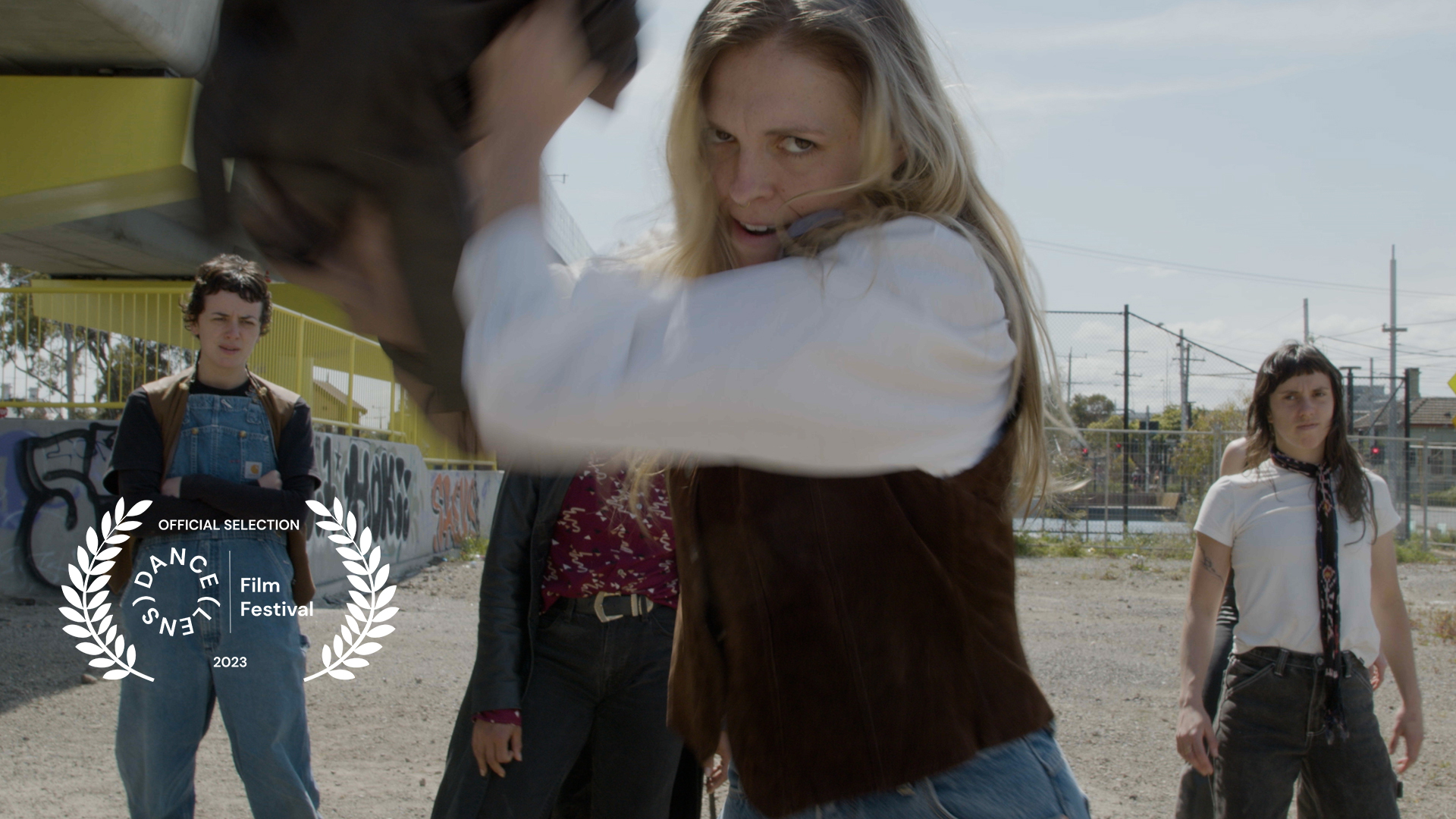
Banshee Cried Silver (2022) by Harrison Ritchie-Jones
Banshee Cried Silver is a spaghetti western inspired, love-tragic, comedic, dance drama film. It is both a sincere and absurd exploration of movement and storytelling.
Set between undeveloped land beneath a train station and a forgotten alleyway, a secret love affair sets off a series of events that spiral into tragedy, vengeance, dance, betrayal and bloodshed.
Directed, written and choreography Harrison Ritchie-Jones
Filmed, Edited & Graded by Alex Walton
Dancers Anika De Ruyter, Samantha Hines, Jessie Oshodi, Harrison Ritchie-Jones, Arabella Frahn-Starkie, Louella Hogan, Robert Alejandro Tinning Hurtado Cuero, Rachel Coulson, Mason Kelly, Jack Ziesing, Marni Green, Nikki Tarling, Rebecca Jensen
Music Composition & Sound Mix Nicholas Roder
Dance Battle Track Max Dowling featuring KIDD BASK
—
Tātai Whetū by Kelly Nash & Atamira Dance Company
Tātai Whetū grew from Kelly Nash’s relationship with the dancers she was working alongside at Atamira Dance Company. She wanted to capture their extraordinary artistry, strength, individuality, commitment and the care they held for one another.
The work was inspired by the trust between the dancers, the way they supported one another and the distinct presence each person brought into the room. Placed within an expansive visual world of space, colour and light, the bodies are at times grounded, at times suspended, moving between darkness and illumination.
The collaboration with Threading Frames, Fale and Tyler, alongside lighting collaborators Māhia Te Kore Jermaine Dean and Elekis Poblete, was essential to the realisation of this world. Together, their visual, technical and lighting craft extended Kelly’s original ideas, opening up possibilities for scale, atmosphere, colour and transformation that became central to the film.
The title Tātai Whetū evokes a constellation: the dancers as individual stars, each with their own history, presence and creative force, while also being changed by the relationships between them. The film is about these particular people and the beauty Kelly saw in the way they moved, worked and existed together.
Tātai Whetū is a tribute to the dancers, to their dedication, their connection, and the sense of hope and possibility they inspired in Kelly.
Director, Choreographer, Styling and Art Direction Kelly Nash (Ngāpuhi, Ngāi Te Rangi)
Executive Producer Marama Lloydd (Ngāti Kahu, Te Rarawa)
Director of Photography and Editing Joshua Faleatua (Threading Frames)
Assistant Director of Photography Tyler Carney-Faleatua (Threading Frames)
Lighting Designer Māhia Te Kore Jermaine Dean a.k.a Eyes of Chaos, Elekis Poblete
Sound Scores Eden Mulholland (Ngāti Porou), Paloma Schneidenan
Sound Recording Deb Frame
Costumes Marama LLoydd a.k.a MARAMA (Ngāti Kahu, Te Rarawa)
Makeup Raven Faasu
Props Ashley Hook
Performers Abbie Rogers (Kāi Tahu, Te Arawa); Caleb Heke (Ngāpuhi); Madi Tumataroa (Ngāti Kahungunu, Ngāti Pāhauwera); Nancy Wijohn (Te Rarawa, Ngāi Tūhoe, Ngāti Tahu, Ngāti Whaoa); Oli Mathiesen (Ngāpuhi, Ngāti Hine, Ngāti Manu); Presley Ziogas; Tai Taranui Hemana ( Te Arawa, Ngāi Te Rangi, Te Uri o Hau, Te Aitanga-a-Māhaki); Toalei Roycroft (Ngāti Tūwharetoa, Ngāti Kahungūnu, Ngāti Raukawa, Ngāti Kauwhata)
—
Other Than Yourself (2023) by Threading Frames
‘Other Than Yourself’ was created by Threading Frames directors Joshua (Fale) and Tyler Carney-Faleatua for the Pōneke Festival of Contemporary Dance, Dance on Screen film competition.
Working with two prompts from the competitions selection criteria, ‘Suspense’ and ‘Alone Together’, they explored the idea of identity as something that isn’t singular or fixed. Fale and Tyler believe there’s multiple facets that exist simultaneously within us as humans. Knowing they only had four days to create and finish this film, they gave themselves permission to not overthink and analyse too much. Instead, they followed their instincts and trusted what was happening through their collaboration with each other.
Fale and Tyler Carney-Faleatua came together to create Threading Frames, building a shared practice at the intersection of dance, theatre, film and storytelling. They are interested in imagining environments where dance can exist beyond conventional rules of time and space. At the heart of their work is the human condition and the ongoing negotiation of who we are and who we are becoming. Their work moves across live performance, dance film and exhibition spaces. Across these forms, they use world building to explore non-linear narratives, creating environments where ideas, relationships and stories can unfold through the body.
—